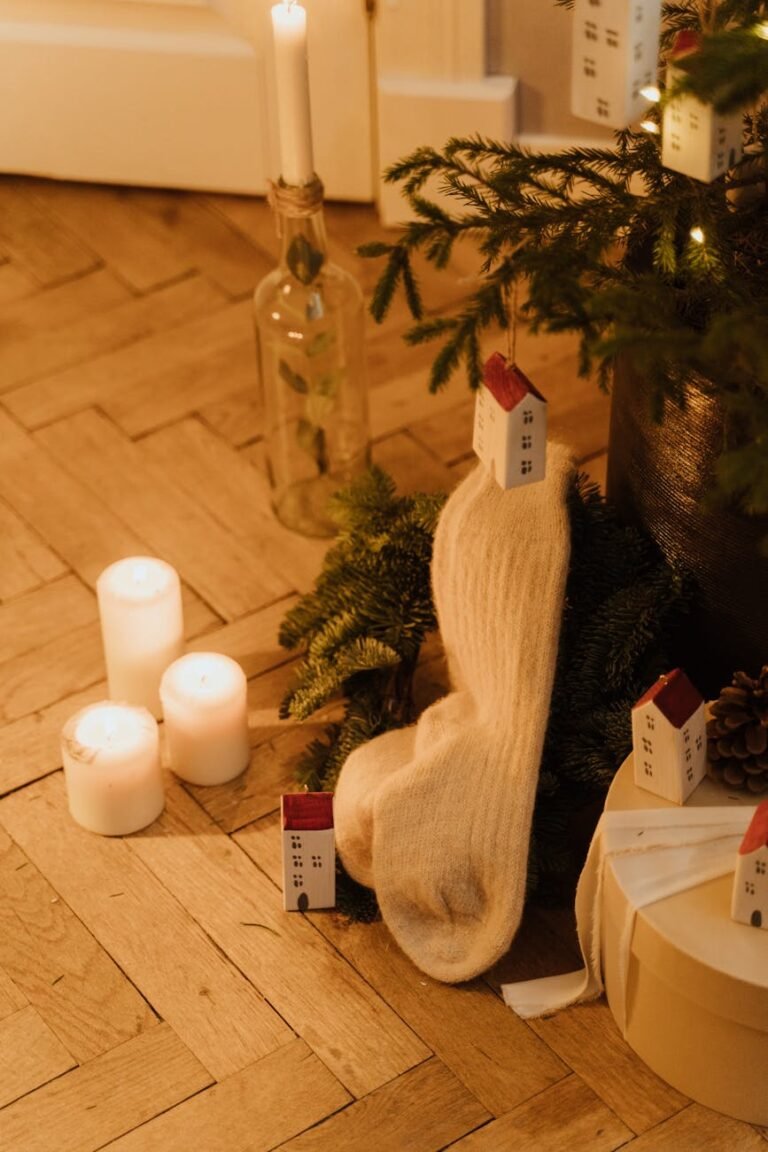


What is Koselig + How Do I Add it to My Home
Koselig (pronounced koo-suh-lee) is a Norwegian word that doesn’t have a direct English translation, but it describes something many of us crave: a deep sense of comfort, warmth, safety,and peace. While it’s often compared to the Danish concept of hygge, koselig goes a little farther. It’s not just about cozy interiors;it’s also about the feeling a space creates and the way it supports connection, calm and joy. My paternal grandmother was born in Norway, and her home always felt warm and cozy, with great smells from her cooking to the cozy living room where we played and caught up with our cousins.
In Norway, koselig is especially important during the long, dark winters, but it’s not limited to a single season. Your space can feel koselig year-round when it allows you to slow down, relax and feel genuinely at peace—alone or with others.
The Feeling Behind Koselig
At its heart, koselig is about presence. It’s the comfort of being exactly where you are. A koselig home feels lived-in, welcoming and genuine—not staged or trying to be perfect. It’s the place where you can curl up with a good book, linger over dinner or enjoy quiet conversation without distraction.
This sense of emotional warmth is just as important as the physical comfort. Koselig often shows up in shared moments: lighting candles for a simple weekday meal, making coffee for a friend or spending an evening talking instead of scrolling.
How to Add Koselig to Your Home
1. Soften the lighting
Lighting is one of the fastest ways to create a koselig atmosphere. Harsh overhead lights can feel cold and functional, so balance them with softer options. Use table lamps, floor lamps, fairy lights or candles to create pools of warm light throughout a room. Aim for a glow rather than brightness—something that makes you want to sit down and stay awhile. We have only one overhead light in the living room, so we have added battery operated candles, smart lighting that can be colour adjusted to whatever strikes our fancy and a floor lamp at the entrance to the space. All work together to give us a feeling of calm and comfort.
2. Layer warmth and texture
Koselig spaces feel physically comforting. Add layers with wool blankets, chunky knit throws, soft cushions and natural textiles like linen or cotton. Rugs help define cozy zones and make rooms feel warmer underfoot. Natural materials—especially wood—bring a sense of calm and grounding that’s central to Scandinavian design.
3. Choose comfort over perfection
A koselig home doesn’t need to look like a magazine spread. In fact, too much styling can work against the feeling. Focus on furniture that’s comfortable and practical. A slightly worn sofa, a favourite armchair or a table that’s hosted many meals can feel far more inviting than something pristine and unused.
4. Keep things simple and intentional
Koselig favours simplicity, but not emptiness. Rather than filling your home with lots of décor, choose items that have meaning or bring you joy. This could be a stack of well-loved books, handmade ceramics, framed photos or objects collected over time. When your surroundings tell your story, your home feels more personal and comforting.
5. Create spaces for slow living
Think about how you actually want to spend time at home. A koselig home supports slower moments: a reading nook by a window, a cozy corner for morning coffee or a dining table that encourages long meals and conversation. Even small adjustments—like keeping a blanket by the couch or a candle on your nightstand—can make everyday routines feel more intentional.
6. Invite connection
Koselig is deeply connected to togetherness. Arrange seating so people can easily talk, keep your home welcoming rather than overly formal and make it easy to share food and drinks. Sometimes koselig isn’t about adding more things—it’s about creating an atmosphere where people feel comfortable staying longer.
Koselig Is a Way of Living
Ultimately, koselig isn’t something you buy—it’s something you practice. It’s choosing warmth over rush, comfort over perfection, and presence over distraction. Your home becomes koselig when it reflects how you want to feel, not how you think it should look.
By focusing on soft light, comforting textures, meaningful simplicity and shared moments, you can turn your home into a place that truly supports rest, connection and everyday contentment—no matter the season.
Discover more from Nest + Note
Subscribe to get the latest posts sent to your email.